Reading Food Labels: Sugars, Salts, and Smarter Daily Choices
A practical guide to serving sizes, hidden sugars, and sodium on everyday Indian packaged foods.
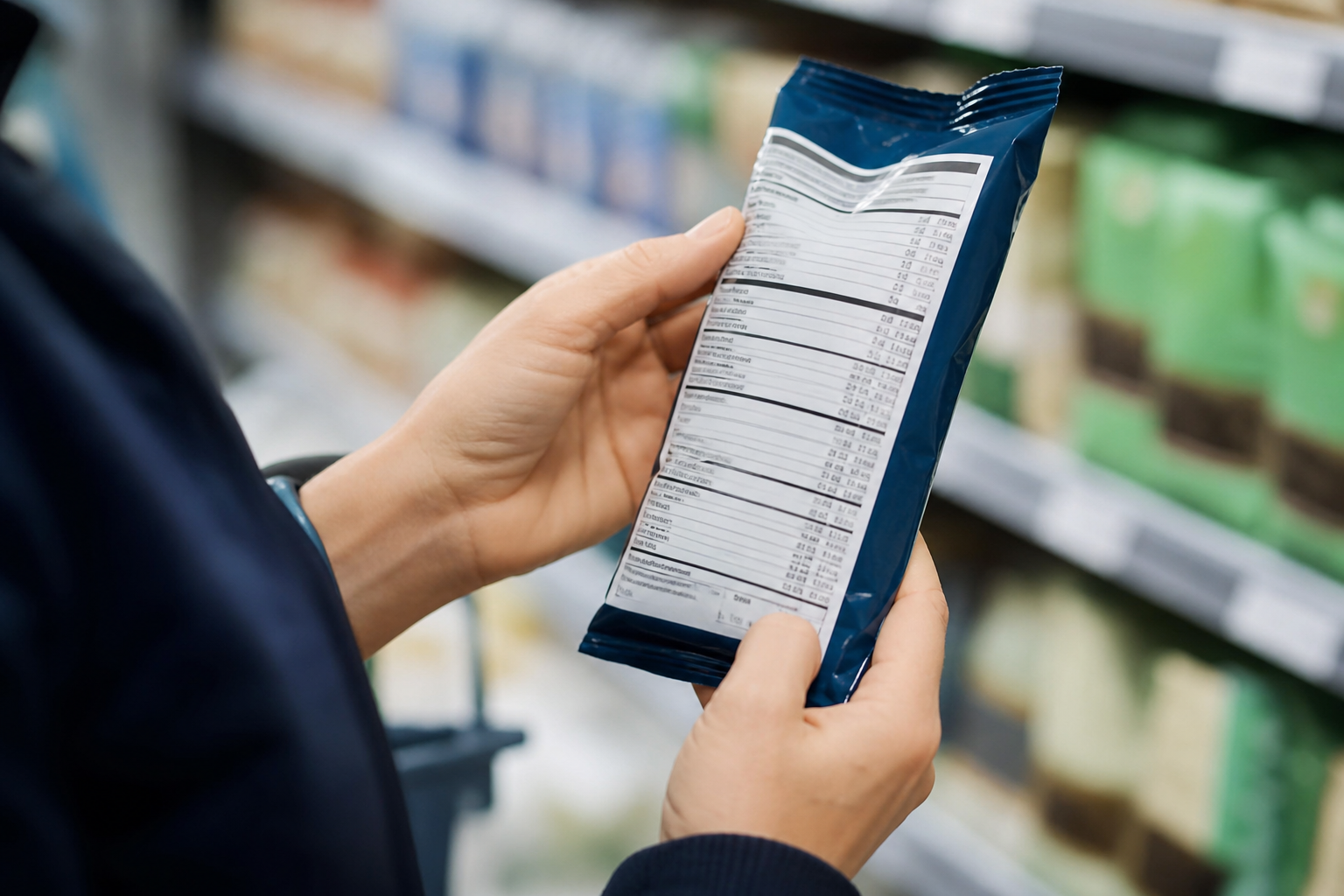
Walk down any supermarket aisle in India today and you will find shelves full of packaged foods carrying bright claims — "no added sugar," "heart healthy," "high fibre," "baked, not fried." Some of these claims are genuinely useful; many are simply clever marketing. The one part of the pack that tells the real story is the nutrition label, usually printed in small text on the back or side. Learning to read it quickly can meaningfully change how you and your family eat, particularly if diabetes, high blood pressure, or heart health are concerns at home.
This guide walks through how to read sugar, salt (sodium), and serving size information on Indian packaged foods, common label tricks to watch for, and practical swaps that make a real difference over time.
Why Label Reading Matters for Diabetes and Heart Health
India has one of the highest burdens of type 2 diabetes in the world, and packaged, processed foods — often higher in refined sugar, salt, and unhealthy fats than home-cooked meals — play a significant role in daily calorie and sugar intake for many urban and semi-urban households. For someone managing diabetes, tracking carbohydrate and sugar content helps with blood sugar control. For someone managing blood pressure or heart disease risk, sodium content is the number to watch most closely. Reading labels is not about eliminating packaged food entirely — it is about making informed comparisons between products and choosing better options within a category.
Start With the Serving Size, Not the Whole Pack
This is the single most misunderstood part of any nutrition label. All the numbers below it — calories, sugar, sodium, fat — are usually listed per serving, and a "serving" as defined by the manufacturer is often smaller than what most people actually eat in one sitting.
For example, a packet of biscuits might list nutrition information "per 2 biscuits," while most people eating a tea-time snack will comfortably have four to six biscuits. If the label shows 4 grams of sugar per serving but you eat three servings, you have actually consumed 12 grams, not 4. Always check the serving size first, then mentally multiply the other numbers by how much you realistically eat.
Understanding Sugar on the Label
Sugar can appear on Indian food labels in a few different ways, and manufacturers sometimes use this to make a product appear less sweet than it is.
- Total sugars: This is the number to focus on first — it includes naturally occurring sugars (like those in milk or fruit) and any added sugar.
- Added sugar (where listed): Some labels now separate this out. Added sugar is the more important figure for daily sugar-intake goals, since naturally occurring sugars in whole foods behave differently in the body than concentrated added sugar.
- Ingredient list disguises: Sugar shows up under many names in the ingredient list — sucrose, glucose syrup, fructose, maltose, dextrose, honey, jaggery, corn syrup, and fruit juice concentrate are all forms of sugar. If two or three of these appear high up in the ingredient list, the product likely has significant total sugar even if the front-of-pack claims "no added sugar" refer only to one specific type.
- "No added sugar" is not "sugar-free." A juice or dairy product can still be high in naturally occurring sugar even without any added sugar, which still matters for blood sugar control.
As a rough general guide often cited by health bodies, keeping added sugar intake to a modest proportion of total daily calories is a reasonable target for most adults — a pharmacist or dietitian can help translate this into practical daily limits based on individual health conditions.
Understanding Salt and Sodium
Indian packaged foods — especially namkeens, papads, instant noodles, pickles, sauces, and ready-to-eat meals — are often significantly higher in sodium than most people realise, partly because Indian cuisine traditionally uses generous amounts of salt for flavour and preservation.
- Sodium vs salt: Labels may list "sodium" or "salt." As a rough conversion, 1 gram of salt contains about 400mg of sodium. If a label lists sodium in milligrams, multiply by roughly 2.5 to estimate the salt equivalent.
- Daily reference: Health guidelines commonly suggest limiting sodium intake to around 2000mg per day for general heart health (equivalent to about 5 grams of salt), though individuals with high blood pressure may be advised lower limits by their doctor.
- Hidden sodium sources: Bread, packaged spice mixes, ready-to-eat curries, cheese, canned foods, and even some breakfast cereals can carry surprising amounts of sodium, not just the obviously salty snacks.
- Comparing similar products: When choosing between two brands of the same food type — say, two brands of instant noodles or two brands of namkeen — comparing sodium per serving is one of the most useful side-by-side checks you can do in the store.
Fats: Not All Are Equal
Labels typically break fat into total fat, saturated fat, and sometimes trans fat.
- Saturated fat should generally be kept lower, particularly for people managing cholesterol or heart disease risk, as high intake over time is linked with higher LDL ("bad") cholesterol.
- Trans fat should ideally be as close to zero as possible. India has regulations limiting industrial trans fat in packaged foods, but always check the label rather than assuming — items like certain bakery products, vanaspati-based sweets, and some fried snacks can still carry meaningful amounts.
- Total fat is less useful in isolation; the type of fat matters more than the total quantity for most people without a specific low-fat dietary need.
The Ingredient List: Read It in Order
Ingredients are listed by weight, from most to least. This means the first two or three ingredients make up the bulk of the product. If sugar, refined flour (maida), or vegetable oil appear at the very top of an ingredient list — ahead of whole grains, dals, or vegetables — the product is likely more processed and less nutritionally dense than its front-of-pack marketing suggests.
Common Front-of-Pack Claims and What They Actually Mean
- "Multigrain": Means multiple grains are present, but does not guarantee whole grain content or fibre — check the fibre content and ingredient list.
- "Baked, not fried": Often lower in some fats compared to a fried version, but can still be high in sodium or refined carbohydrates.
- "Natural" or "made with real fruit": Not a regulated guarantee of low sugar; check the actual sugar content per serving.
- "Diet" or "sugar-free" drinks: Usually replace sugar with artificial or natural sweeteners; generally lower in calories, but check with your doctor if you have specific concerns about sweeteners.
- "Immunity boosting" or similar wellness claims: These are largely marketing terms without strict regulatory definitions in most cases — they should not be the deciding factor over the actual nutrition panel.
Practical Label-Reading Habits for Everyday Shopping
- Compare two similar products side by side before choosing, rather than judging one product in isolation
- Check serving size first, then look at sugar, sodium, and saturated fat per serving
- Scan the first three ingredients to understand what the product is mostly made of
- Be wary of products with long ingredient lists full of unfamiliar additives, though this alone isn't automatically "bad" — pair it with the actual nutrition numbers
- For someone with diabetes, also check total carbohydrate content, not just sugar, since starches also affect blood glucose
- Keep a mental "watch list" of frequently bought items at home — snacks, sauces, breakfast cereals — and periodically compare brands for a lower-sodium or lower-sugar alternative
Making It Practical at Home
Reading labels is most useful when paired with small, sustainable swaps rather than a complete overhaul of eating habits:
- Swap sweetened breakfast cereals for plain oats or poha with less added sugar mixed in yourself
- Choose roasted or air-popped snacks over deep-fried namkeens when checking sodium content
- Rinse canned foods like beans or vegetables under water before cooking to reduce added sodium from the canning liquid
- Use spice mixes and pickles in smaller quantities as flavouring rather than as a primary condiment at every meal
- Choose plain dahi/curd over sweetened, flavoured yoghurt cups, which often carry hidden sugar
- When buying packaged bread, compare sodium content across brands — it varies more than most people expect
Frequently Asked Questions
Is jaggery or honey a genuinely healthier substitute for sugar for someone with diabetes?
Jaggery and honey still raise blood sugar and should be counted similarly to regular sugar for anyone managing diabetes, despite being perceived as "natural" alternatives. Moderation and portion awareness matter regardless of the sugar source.
Are all packaged foods bad for diabetes or heart health?
No — many packaged staples like plain dals, certain whole-grain atta, plain oats, and unsalted nuts are perfectly reasonable choices. The concern is mainly with ultra-processed snacks, sugary beverages, and high-sodium ready-to-eat items consumed frequently.
How much sodium is considered "high" on a label?
As a general rule of thumb used by some nutrition guidelines, above roughly 400-600mg of sodium per serving is considered relatively high, though context (how many servings you actually eat) matters. Comparing similar products is often more practical than memorising exact cut-offs.
Does "low fat" always mean healthier?
Not necessarily. Manufacturers sometimes compensate for reduced fat by adding extra sugar to maintain taste, so a "low fat" product can still be high in sugar. Always check both figures together.
Can I trust front-of-pack health stars or claims alone?
Front-of-pack claims are a starting point, not a substitute for checking the actual nutrition panel and ingredient list, since regulations around such claims can vary and marketing language is not always strictly standardised.
A Quick Label-Reading Checklist
- Check serving size before reading any other number
- Compare total sugar and, where listed, added sugar
- Check sodium per serving, especially for snacks, sauces, and ready-to-eat foods
- Look at saturated fat and confirm trans fat is at or near zero
- Scan the first three ingredients to judge how processed the product really is
- Compare two brands of the same product before deciding
This article is for general health information only and does not replace personalised medical or dietary advice. If you are managing diabetes, high blood pressure, or heart disease, consult your doctor or a registered dietitian for specific daily sugar, sodium, and calorie targets suited to your individual health needs.
Comments
Start the conversation
No comments yet. If you have a practical note for other readers, add it below.